The data broker industry defies simplistic characterization. It encompasses a spectrum of businesses, both legitimate and problematic. This complexity demands regulatory approaches that differentiate among practices and use cases.
Policymakers should refrain from imposing uniform restrictions that eliminate beneficial activities and from creating categorical bans that drive harmful practices underground. Treating data brokers identically through blanket regulation risks eliminating benefits without adequately addressing harms.
“Data Brokers and Proportionate Regulation: Balancing Commercial Value, Consumer Protection, and Civil Rights” is the second paper in our three-part Policy Series on Data Brokers in the U.S., where we suggest the adoption of a proportionate, risk-based regulatory framework to protect consumers from documented harms while preserving legitimate commercial activities. The first paper in our series is available here and the third paper in our series is available here.
We previously published the papers in this series as draft versions while we gathered feedback.
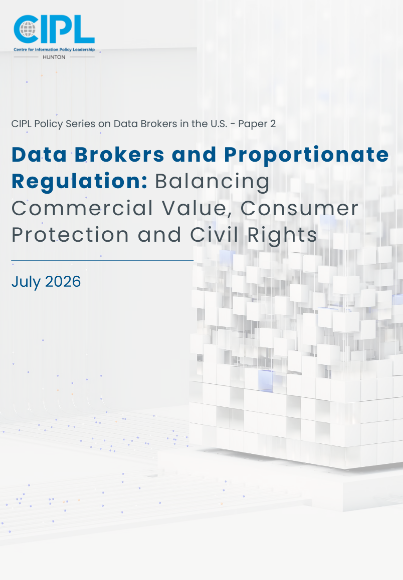
Download the Paper
Download NowMore like this

Data Stewardship and Accountability: Operationalizing Responsible Data Broker Practices
Find out more