Innovations in technology; rapid increases in data collection, analysis and use; and the global flow and access to data have made an unprecedented array of products, resources and services available to consumers. These developments, however, in no way diminish an individual’s right to the secure, protected and appropriate collection and use of their information.
The manner in which those protections are provided is often challenged by the dynamic, increasingly international environment for information. The global flow of data tests existing notions of jurisdiction and cross-border co-operation. How can companies and regulators support movement of data while providing the protections guaranteed to the individual?
Accountability, a concept first established in data protection by the Organization for Economic Co-operation and Development (OECD), may provide an improved approach to transborder data governance that encourages robust data flows and provides for the protection and responsible use of information, wherever it is processed. But the practical aspects of accountability, and how it can be used to address the protection of cross-border information transfers, have not been clearly articulated.
- What will be expected of companies in an accountability system?
- How will enforcement agencies monitor and measure accountability?
- How can the protection of individuals be ensured?
CIPL was privileged to assemble a group of international experts from government, industry and academia to consider how an accountability-based system might be designed. The experts met twice to define the essential elements of accountability, examine issues raised by the adoption of the approach and propose additional work required to facilitate establishment of accountability as a practical and credible mechanism for information governance. This report, guided by a drafting committee and reviewed by the group of experts, reflects the results of those deliberations.
More like this

Leveraging Data Responsibly: Why Boards and the C-Suite Need to Embrace a Holistic Data Strategy
Find out more
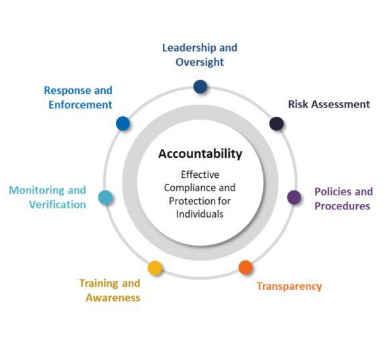
Building Accountable AI Programs: Mapping Emerging Best Practices to the CIPL Accountability Framework
Find out more
Cisco-CIPL Report on Business Benefits of Investing in Data Privacy Management Programs
Find out more
Organizational Accountability in Data Protection Enforcement – How Regulators Consider Accountability in their Enforcement Decisions
Find out more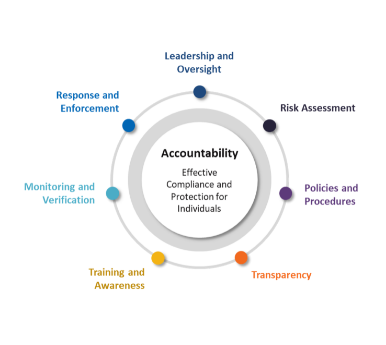
What Good and Effective Data Privacy Accountability Looks Like: Mapping Organizations’ Practices to the CIPL Accountability Framework
Find out more